
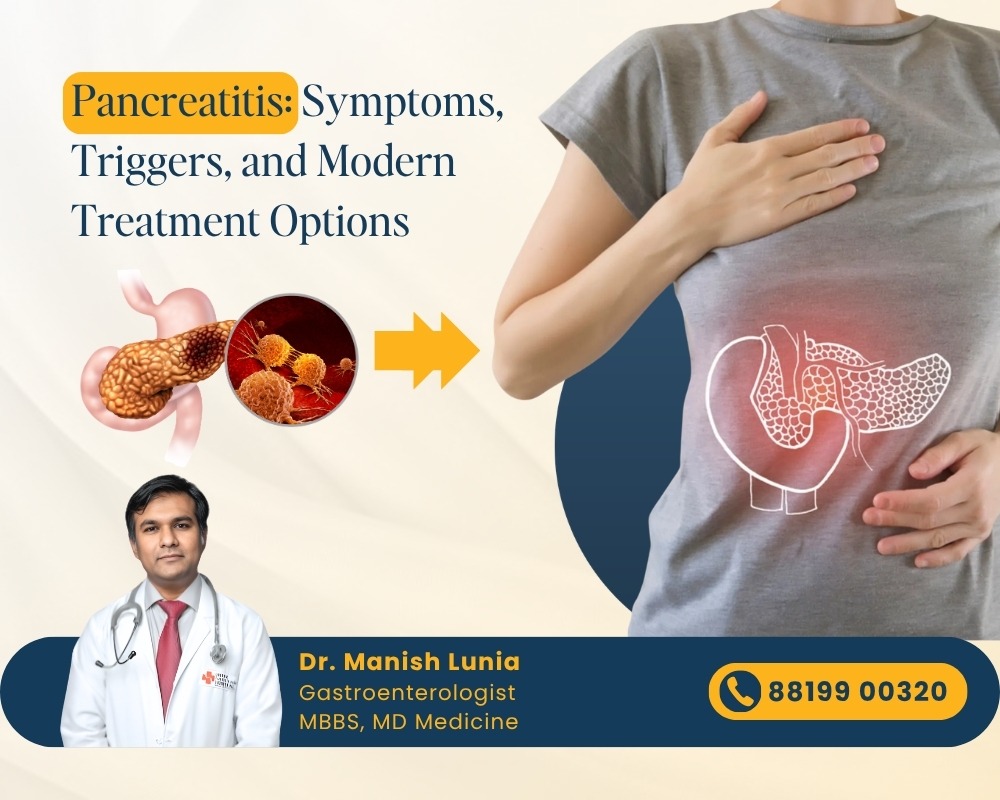
Have you ever experienced a sudden, sharp pain in your upper stomach that seems to radiate all the way to your back? If this pain makes it difficult to sit straight or enjoy your meals, it could be a warning sign from your pancreas.
The pancreas is a small but incredibly hard-working organ located right behind your stomach. It plays two massive roles in your body: it produces essential juices that help digest your food, and it releases hormones like insulin to regulate your blood sugar levels. When this vital organ becomes inflamed, irritated, or swollen, the condition is known as pancreatitis.
Dealing with severe abdominal issues can be highly stressful and overwhelming. If you or someone you love is navigating these painful digestive challenges, finding an experienced medical professional is the critical first step toward long-term recovery. Consulting the Best Gastroenterologist in Raipur ensures that you receive an accurate diagnosis and a customized care plan tailored to your body’s specific needs. Let us explore the symptoms, common triggers, and the latest modern solutions available for Pancreatitis treatment in Raipur so you can confidently take control of your health.
What is Pancreatitis?
To understand pancreatitis, it helps to imagine your pancreas as a highly efficient, specialized factory. Under normal, healthy conditions, this factory creates powerful digestive enzymes. These enzymes are kept completely inactive while they are inside the pancreas. Once you eat a meal, the pancreas sends these enzymes through a tiny tube into your small intestine. It is only when they reach the intestine that they wake up and start breaking down your food.
However, if something disrupts this smooth process, the enzymes can get accidentally activated while they are still trapped inside the pancreas. Instead of digesting your lunch, these hyperactive chemical juices begin to attack and irritate the delicate tissue of the pancreas itself. This self-destructive process causes painful swelling, tissue damage, and inflammation.
When you seek out professional medical help for Pancreatitis treatment in Raipur, your specialist will first determine which form of the condition you are experiencing. Pancreatitis generally presents itself in two distinct ways:
- Acute Pancreatitis: This is a sudden, intense attack of inflammation. It often strikes out of nowhere and causes severe discomfort. With prompt, expert medical care, acute pancreatitis can resolve completely in a few days as the organ heals.
- Chronic Pancreatitis: This is a slow-burning, long-lasting inflammation that persists over many months or even years. Over time, this constant irritation causes permanent scarring and structural damage to the organ, preventing it from producing digestive enzymes or insulin correctly.
Recognizable Symptoms of Pancreatitis
Recognizing the warning signs of an inflamed pancreas early can prevent minor issues from turning into major medical emergencies. The symptoms can vary depending on whether the condition is sudden or long-standing, but they always require immediate medical evaluation.
Severe and Radiating Abdominal Pain
The most undeniable sign of an inflamed pancreas is intense pain in the upper part of your abdomen. Patients often describe this discomfort as a sharp, piercing, or squeezing sensation located just below the ribs. A unique hallmark of this pain is that it frequently travels straight through your body into your upper or mid-back. The pain typically becomes significantly worse after you eat a meal, especially foods that are heavy, greasy, or high in fat.
Persistent Nausea and Frequent Vomiting
When your pancreas is under severe stress and struggling with internal inflammation, your entire digestive system slows down to a crawl. This internal disruption triggers ongoing feelings of deep nausea and can lead to frequent episodes of vomiting. Because the body is unable to process foods or liquids comfortably, eating even small amounts can make you feel incredibly sick.
Unexplained Weight Loss and Malnutrition
This symptom is particularly common in individuals suffering from chronic pancreatitis. Because the scarred pancreas can no longer produce enough digestive enzymes, your body loses its ability to break down and absorb nutrients from the food you consume. Even if you are eating regular meals, the nutrients pass straight through your system unused, leading to rapid, unintended weight loss, chronic fatigue, and muscle weakness.
Changes in Your Stool (Steatorrhea)
When the lack of pancreatic enzymes prevents your body from properly breaking down dietary fats, those undigested fats are forced to leave your body through your bowel movements. This results in a highly specific type of stool called steatorrhea. The stool often appears unusually pale, bulky, greasy, and oily, and it may have an exceptionally foul, pungent odor. If you notice these digestive changes, it is vital to consult the Best Gastroenterologist in Raipur to check your pancreatic enzyme production.
Common Triggers and Root Causes of Pancreatitis
Pancreatitis does not happen without a reason. There are several clear, well-documented medical triggers that can cause the pancreas to become inflamed. Identifying these root causes is a primary focus of effective Pancreatitis treatment in Raipur.
The Impact of Gallstones
Gallstones are small, pebble-like stones made of hardened cholesterol or bile pigments that form inside your gallbladder. The gallbladder and the pancreas share a common drainage pathway into the small intestine. If a gallstone slips out of the gallbladder and gets tightly wedged in this shared pipe, it completely blocks the exit for pancreatic juices. Trapped with nowhere to go, the active enzymes back up into the pancreas, triggering a sudden and severe attack of acute pancreatitis.
Chronic and Excessive Alcohol Consumption
Regularly consuming large amounts of alcohol over a long period is one of the leading causes of long-term pancreatic damage. Alcohol acts as a direct toxin to the delicate cells of the pancreas. It alters the chemical composition of the pancreatic juices, causing them to plug up the tiny ducts inside the organ. Over time, this toxic environment causes permanent scarring and irreversible tissue damage, which frequently evolves into chronic pancreatitis.
High Levels of Triglycerides (Fats in the Blood)
While everyone has some fat floating in their bloodstream, having excessively high levels of a specific fat called triglycerides can endanger your organs. When triglyceride levels rise drastically, the thick fat particles can break down into toxic free fatty acids within the tiny blood vessels of the pancreas. This localized chemical reaction causes cellular damage, blocks blood flow, and triggers widespread inflammation.
Certain Medications and Genetic Factors
In some instances, pancreatitis can be a rare side effect of specific prescription medications, such as certain antibiotics, blood pressure drugs, or immune-system suppressants. Additionally, some individuals are born with structural variations in their pancreatic ducts or carry specific gene mutations that inherently make their pancreas more fragile and prone to inflammation.
How a Specialist Diagnoses Pancreatitis
When you sit down with a medical expert to discuss your abdominal pain, they will use a combination of advanced diagnostic tools to look inside your body and confirm exactly what is happening with your pancreas.
Blood Screenings
The initial step in checking for pancreatic inflammation involves drawing a small sample of blood. When the cells of the pancreas are damaged or inflamed, they spill large amounts of digestive enzymes directly into your bloodstream. Medical teams look closely at your levels of two specific enzymes: amylase and lipase. A massive, sudden spike in these numbers is a strong indicator of acute pancreatitis.
Advanced Imaging Technology
To see the physical shape, size, and condition of your internal organs, doctors rely on imaging tests. A regular ultrasound can easily show if gallstones are blocking your bile ducts. For a more detailed, highly structural view, a CT scan or an MRI can capture cross-sectional images of the pancreas, allowing the Best Gastroenterologist in Raipur to check for swelling, fluid accumulation, or areas of permanent tissue scarring.
Table: Diagnosing Pancreatitis at a Glance:
Diagnostic Tool | What It Reveals To Your Medical Team |
| Blood Tests (Amylase & Lipase) | Checks for sudden spikes in pancreatic enzymes released during irritation. |
| Abdominal Ultrasound | Searches for structural gallstones or biliary blockages causing juice backup. |
| CT Scan / MRI | Provides deep, detailed pictures of cellular swelling and permanent organ scars. |
| Endoscopic Ultrasound (EUS) | Offers incredibly close-up internal views of ducts using an advanced micro-scope. |
Modern Options for Pancreatitis Treatment in Raipur
Medical science has come a long way, and today, there are highly structured, effective options for managing both sudden attacks and long-term pancreatic conditions. The primary goal of comprehensive Pancreatitis treatment in Raipur is to rest the organ, relieve your pain, and fix the underlying cause of the inflammation.
Immediate Intravenous (IV) Fluid Therapy
During an acute attack of pancreatitis, your body diverts a massive amount of fluid and blood flow toward your abdomen to try and fight off the inflammation. This internal shift can leave the rest of your body severely dehydrated. Patients are admitted to the hospital and given continuous intravenous (IV) fluids directly into their veins. This constant hydration flushes out toxins, maintains healthy blood pressure, and ensures your pancreas receives the oxygen-rich blood it needs to heal.
Advanced Pain Management Support
Pancreatic pain can be incredibly intense and exhausting. Modern medical protocols prioritize keeping you comfortable. Doctors will administer fast-acting, safe pain medications through your IV line to keep the discomfort under control. Managing your pain is not just about comfort; reducing your physical stress levels actually allows your body to dedicate more energy toward repairing the damaged tissue.
Complete Bowel Rest and Tailored Nutrition
To give your pancreas a chance to rest and recover, you may be asked to stop eating or drinking by mouth for a short time. When food enters your stomach, it automatically signals the pancreas to produce digestive enzymes. By temporarily pausing solid foods, the pancreas can stop working and heal. Once the sharpest inflammation settles down, your medical team will gradually reintroduce a specialized diet that is very low in fat, highly nutritious, and remarkably easy for your body to digest.
Endoscopic Retrograde Cholangiopancreatography (ERCP)
If your medical team discovers that a stray gallstone is trapped in your pancreatic duct, they can use an advanced, non-surgical procedure called ERCP. A specialist gently passes a thin, flexible tube with a camera down through your mouth and stomach into the small intestine. Using specialized miniature tools passed through the tube, the doctor can safely locate the stuck stone, break it up, or pull it out, instantly clearing the blockage and restoring normal fluid drainage.
Managing Chronic Pancreatitis for a Better Quality of Life
When dealing with chronic, long-term inflammation, the focus of medical care shifts from short-term emergency relief to long-term management and preserving your day-to-day quality of life.
Pancreatic Enzyme Replacement Therapy (PERT)
Because a scarred pancreas cannot produce its own digestive juices, patients with chronic pancreatitis often suffer from severe bloating, gas, and weight loss after meals. To fix this, doctors prescribe Pancreatic Enzyme Replacement Therapy (PERT). These are special capsules containing natural digestive enzymes that you take with every meal or snack. The capsules mix with your food in your stomach, doing the work your pancreas can no longer do, allowing you to absorb nutrients and gain strength.
Lifestyle Adjustments
Long-term recovery requires making healthy everyday choices. If alcohol or smoking triggered your condition, completely avoiding these habits is non-negotiable to prevent further organ damage. Working closely with the Best Gastroenterologist in Raipur allows you to design a personalized lifestyle plan, incorporating a low-fat diet, regular hydration, and routine checkups to stay ahead of any potential complications.
Why You Should Seek the Best Gastroenterologist in Raipur
Your digestive system is a complex network of organs, and the pancreas is incredibly sensitive. Entrusting your health to a highly trained specialist ensures you receive expert care using the latest medical advancements.
When you seek out top-tier Pancreatitis treatment in Raipur, you gain access to modern medical infrastructure, advanced diagnostic imaging, and cutting-edge endoscopic therapies like ERCP. A dedicated specialist will look past your immediate symptoms to discover the true underlying cause of your illness, protecting you from future attacks and guiding you safely along the road to recovery.
Take Charge of Your Digestive Health Today
Pancreatitis is undeniably a challenging and painful condition, but it is highly manageable with the right medical guidance. By recognizing the symptoms early, understanding your personal triggers, and adopting a healthy lifestyle, you can protect your pancreas and live a vibrant, active life.
Do not wait for a minor ache to turn into a severe medical crisis. If you are experiencing persistent stomach issues or want a professional medical opinion on your digestive health, schedule a detailed consultation with the Best Gastroenterologist in Raipur today. Securing specialized, compassionate Pancreatitis treatment in Raipur is the smartest decision you can make to safeguard your long-term well-being and reclaim your health.
Frequently Asked Questions About Pancreatitis
Q: Can a person recover completely from acute pancreatitis?
Yes, absolutely. If acute pancreatitis is caught early and treated properly with IV fluids and bowel rest, the pancreas has an incredible ability to repair itself. Most patients recover fully without any lasting, permanent damage to their digestive system.
Q: Is pancreatitis caused entirely by drinking alcohol?
No, that is a very common misconception. While regular alcohol use is a major cause of chronic pancreatic issues, many cases of acute pancreatitis are triggered by physical blockages like gallstones, high levels of fat in the blood, prescription medications, or genetic factors.
Q: What foods should I completely avoid after a pancreatitis flare-up?
To keep your pancreas safe, you should strictly avoid foods that are high in fats, as fat forces the pancreas to work extra hard. Stay away from fried items, fast food, heavy butter, full-fat dairy products, red meat, pastries, and any alcoholic beverages.
Q: When should I go straight to the emergency room for belly pain?
If you experience sudden, unbearable pain in your upper abdomen that moves to your back and is accompanied by a high fever, a racing heart, continuous vomiting, or yellowing of your eyes and skin (jaundice), seek emergency medical care immediately.